About us
HDMO is the EDMO hub in Hungary, built as a national platform aimed at becoming the reference point for all anti-disinformation stakeholders in the country. HDMO stands for Hungarian Digital Media Observatory.
The HDMO consortium, led by Political Capital, involves six partners. Its greatest strength is the diverse team of social scientists and humanities experts, along with journalists and fact-checking professionals. Fighting disinformation, which is the main goal of the project, is inherently multidisciplinary and requires attention from multiple angles.
Within the consortium, Lakmusz and AFP are doing fact-checks, Political Capital and Mertek Media Monitor are conducting research and writing publications, and Idea Foundation, with the support of AFP, is training teachers and journalists and is responsible for all other media literacy activities. Magyar Hang enables the hub to reach a wider, cross-border, and different type of audience, and to increase HDMO’s impact.
The hub is based on the successful pilot project LAKMUSZ, co-funded by the European Commission in 2022. Lakmusz.hu, the website launched as part of the pilot project, is already established as a fact-checking platform. The project ran as LAKMUSZ-HDMO from the beginning of 2023, and started its new phase as of October 2025.
The hub adheres to the EDMO Guiding Principles described here.
HDMO adheres to its established ethical principles and quality standards throughout all its activities.
The section below will be updated soon.
Partners
Political Capital
Political Capital is a leading policy research institute based in Budapest, Hungary. Established in 2001, the institute has a decade of experience in research, advocacy and consultancy, as well as in project management and event organization. Political Capital is an independent, nonpartisan think tank committed to the fundamental values of democracy, human rights and a market economy. The institute maintains a strong international network and reputation worldwide. Over the last decade, it has become the most influential analytical center in Hungary.
Political Capital is widely acknowledged: its experts produce more than 300 international media appearances annually. The think tank’s work is also highly respected by diplomats, politicians, analysts, and decision-makers. In the last four years, Political Capital has participated in more than 100 events on prejudice, radicalization, right-wing extremism, the Kremlin’s influence, and political trends in Central Eastern Europe held in Europe and the U.S. Peter Kreko, an expert on Russian sharp power policies and political extremism, is the analytical center’s director. Political Capital has been employing various qualitative or quantitative tools at their disposal, e.g., narrative analysis, media monitoring, representative polling, semi-automated content, and network analysis. The experts have been working with a list of prestigious regional or Euro-Atlantic partners to carry out their research and media literacy activities.
Political Capital has been extensively researching the phenomena of disinformation spread by domestic or foreign actors, such as far-left or far-right parties, hybrid regimes, or the autocracies of Russia or China, etc., since 2014. Their fields of interest include the role of mis-, mal- or disinformation in the processes of far-right radicalization, foreign or domestic autocratic influence, elections interference, the invasion of Ukraine, online trolling, or anti-vaccination movements.
Mertek Media Monitor
The mission of Mérték is to strengthen media freedom by assessing and influencing media policies, improving journalists' sense of responsibility and professionalism and enhancing critical thinking in the general public.
The Mertek Media Monitor is a watchdog organisation and think tank. Founded in 2011, Mertek is a committed believer to European and international human rights standards and constitutional democracy. It has undertaken to review the implementation and impact of the Hungarian media laws adopted in 2010 and the resultant media policy measures; to contribute to the Hungarian and European discourse on freedom of expression and press freedom through its professionally grounded analyses and position papers; to promote the transparency of media policy decisions; and to ultimately exert pressure on media policy and regulatory decision-makers. Based on legal, journalistic and economic expertise, Mertek evaluates media policy measures and lays out its own policy proposals. Mertek’s staff began their civil engagement equipped with substantial professional expertise acquired in academia, public administration and/or journalism.
The following are the most crucial results of our activities thus far: the continual monitoring and analysis of the decisions rendered by the Hungarian Media Authority; content analyses to better understand what is happening in the public sphere; analyses of media market processes, the identification of market distortions that result from state intervention and investigations of self-censorship and “soft censorship”; analyses of the audience’s media consumption patterns; organisation of a public debate series on the future of media regulations and media policies.
Magyar Jeti
Magyar Jeti Zrt. is the publisher of the popular online news site 444.hu, the science and pop-science focused qubit.hu and the fact-checking website lakmusz.hu. MJ publishes books and a quarterly magazine as well, and its publications regularly participate in EU and other international projects. The 444.hu portal was founded in 2013, to create an honest, entertaining, and truly independent news site in Hungary’s challenging media environment. 444.hu now employs 30 reporters and editors, is read by around 3 million people a month, and the editorial staff and individual reporters have received numerous awards for their public service and investigative reporting. Qubit.hu was launched in 2017 with a small but dedicated group of science journalists and built an extensive network of young competent scientists. It is known for presenting complex scientific concepts and advances in an accessible format to a wide audience.
Lakmusz.hu started its operations in January 2022, as part of the Hungarian Digital Media Observatory (HDMO) project, co-funded by the European Commission. The initiative entered a new, extended phase from January 2023, in which Lakmusz cooperates with five other autonomous organizations against the spread of false and misleading information in Hungary. Since its launch, Lakmusz has become the largest anti-disinformation and fact-checking website in Hungary, and among the most popular in Europe. In the first year of operation, Lakmusz reached close to 2 million readers, and it created over 250 pieces of content, including fact-checks and other materials (interviews, podcasts, videos and investigative articles) that explore the workings of the disinformation environment from different perspectives. Lakmusz runs its own website and also publishes its materials on the home page of 444.hu, and its articles are regularly quoted by other Hungarian media outlets. Its work also receives attention outside of Hungary: members of the editorial team are regularly invited to conferences and Lakmusz has been involved in several international networks and collaborations, including the European Digital Media Observatory (EDMO), the Disinformation Situation Centre and the Science+ programme. In May 2023, Lakmusz became a certified member of the International Fact Checking Network (IFCN).
Agence France-Presse
AFP is a leading global news agency, providing 24/7 fast, comprehensive and verified coverage of world news across all fields. With 2,400 staff representing 100 different nationalities, AFP covers the world in six languages, with a unique quality of multimedia storytelling spanning video, text, photos and graphics. Since 2017, AFP has built up the world's largest digital investigation network, with almost 130 journalists covering 85 countries to date.
AFP factcheckers monitor online content in local languages, from Amharic to Hindi, Polish or Portuguese. They take into account local cultures, languages and politics and work with AFP’s bureaus worldwide to investigate and disprove false information. AFP’s fact-checking activities are overseen by the digital verification chief editors and regional editors. They pay particular attention to misinformation that can be harmful, impactful and manipulative.
These specialised journalists are a reference in the fight against disinformation and publish in 26 languages on the factcheck.afp.com website.
Magyar Hang
MAGYAR HANG is an independent political, social and cultural weekly magazine, an online portal and a YouTube channel for Hungarians. It is a publisher with a complete media portfolio and with national reach, while remaining independent of the Hungarian government. It reaches both rural areas and Magar-speaking minorities in neighbouring countries (Romania, Slovakia, Ukraine). It was founded in 2018 by the staff of the 80-year-old Magyar Nemzet and are committed to presenting Hungarian reality in the spirit of the former editorial staff. The publications are in Hungarian, the printed weekly Magyar Hang has 52 issues of per year.
Idea Foundation
The Idea Foundation develops media literacy and critical thinking skills in children and young people, primarily by preparing them to recognize misleading and false information . The organization also pays special attention to the new challenges posed by artificial intelligence in terms of disinformation.
The foundation's training courses teach elementary and high school teachers how to conduct media awareness lessons in school. As part of the training, they provide teaching materials such as lesson plans, educational videos, and workbooks. The foundation maintains contact with teachers after the training: those involved receive a monthly newsletter with fresh teaching materials and ideas for their teaching activities. To date, hundreds of teachers from nearly 200 schools have participated in Idea Foundation training courses, making the curriculum available to thousands of students. The InfoGrund Teacher Award, established by the Foundation, recognizes teachers who are active in the field of critical media literacy each year.
In addition, the foundation offers e-learning courses and web apps directly to students. Detekto.hu, for example, is an e-learning series aimed at young people aged 13-16 that aims to develop media literacy. Launched in November 2023, the course aims to prepare children to independently recognize which types of online content require increased attention, critical awareness, and information verification. The tasks in the curriculum package are playful and activity-centered.
The Idea Foundation participates in several domestic and international professional collaborations. The foundation has twice been awarded the Digital World category prize by the organizers of the Edison100 initiative, which recommends professionally credible and innovative children's programs.
Associated Partners
Center for Independent Journalism
Hungarian Europe Society
Civil College Foundation
Amnesty International Hungary
Activities
Fact checking
The fact-checking pillar of the project is carried out by two media partners: Lakmusz and AFP.
Both organisations aim at detecting and debunking the main disinformation narratives in Hungarian language, in order to publish a continuous flow of high-quality fact checks, together with additional journalistic content that explore the workings of the disinformation environment from different perspectives.
To do so, journalists rely heavily on the research projects produced in that field by the academic partners, who will give them insights and advice to optimize their investigation’s methods and workflows.
During their work, fact-checkers always follow high journalistic and ethical standards that uphold their commitment to impartiality and independence. Both media media partners are verified signatories of the Code of Principles of the International Fact-Checking Network and work in line with its guideline. Both Lakmusz and AFP publish their editorial and ethical standards, and the detailed methodology of the fact-checking process on their websites. (You can find them here: Lakmusz, AFP.)
In the framework of the HDMO project, Lakmusz, AFP and Magyar Hang will produce a total of around 660 pieces of content, published both on lakmusz.hu and hdmo.eu. Furthermore, Lakmusz cooperates with 444.hu, a highly popular news website published by Magyar Jeti Zrt., which helps to promote the content to a wider audience, and also offers its articles to other Hungarian media outlets to republish them free of charge.
The very diverse flow of fact-checks will enable us to build a shared database around fake news on our platform, which aims at helping journalists and researchers better understand the phenomenon and propagation characteristics of disinformation. On a European level, our hub is a member of the European Digital Media Observatory (EDMO), contributing to its activities and collaborative projects.
Long investigations
In this phase, the media partners (AFP, MJ and MH) will produce longer investigative formats. This format involves a deep dive into various dubious claims around one single story or topic. It will aim at uncovering and analysing complex layers of misinformation or disinformation. Experts are consulted, especially for deep-fake and AI-analysis, if the claim involves advanced techniques.
Cross-border dissemination
Moreover, we will make sure to disseminate the project’s key results against disinformation towards the Hungarian-speaking minorities in Romania and Slovakia. We will use MH’s particular reach, since a significant part of their readership is located in these regions. MH will publish a print supplement to its weekly magazine, detailing HDMO’s activities and key materials produced by MH and other consortium partners.
Research
This pillar of the project provides a meaningful answer to the detection, analysis, and disclosure of disinformation, as well as assesses its impact on society and democracy.
Research of Political Capital and Mertek Media Monitor will cover activities aiming at providing and improving organizational and methodological background for fact-checking. This will ensure a true multidisciplinary community in Hungary with all interested stakeholders. Research and analysis activities will shed light on the presence and impact of disinformation in the Hungarian media space by (1) detecting the vulnerabilities of the Hungarian media system, (2) mapping the dissemination of disinformation related to major public issues (like Russia's aggression on Ukraine or on the Hungarian elections), and (3) surveying public opinion on news consumption and susceptibility to propaganda.
Policy making
Mertek will prepare reports on monitoring the policies put in place by online platforms and the digital national ecosystem to limit the impact of disinformation. It will help the national regulatory authorities in Hungary to make sure the signatories of the European Code of Conduct against disinformation at the national level stick to their commitments.
As part of this activity, workshops will be organized to the broader group of stakeholders (incl. authority, industry organizations, media companies, experts, journalists, etc) about platform policy developments and effects of the platforms' activities in Hungary.
Media Literacy
HDMO implements media literacy programs through trainings for journalists and teachers, e-learning curricula and other tutorial tools for young people and interested members of the public, and media campaigns to build resilience to online disinformation.
Teacher training, teacher community for the development of critical media literacy
As part of the HDMO program, the Idea Foundation develops special teaching materials focusing on students with learning difficulties from vulnerable groups and provides related teacher training.
A total of five teacher training courses will be held as part of the HMDO program. We produce a monthly newsletter for teachers, providing them with continuously updated teaching materials.
The program focuses on students aged 13-16, developing teaching materials aimed at improving news literacy and holding workshops for teachers on the topics of AI literacy and news literacy.
We reward teachers active in the field of media literacy at the annual InfoGrund Teacher Award ceremony.
Educational content tailored to social media
Idea Foundation addresses the target group of Detekto.hu, the 13-16 age group, with content optimized for social media platforms. The aim of the project is to develop the information filtering skills and critical thinking with the help of educational content appearing in Hungarian-language social media.The educational content therefore aims to expand knowledge that helps recognise reliable information on the one hand, and to raise the target group’s awareness of the topic on the other.During the project, 50 TikTok videos and 100 Instagram posts will be created on Detekto’s social media platforms over the planned 30 months. The concept was described and developed based on the EDMO Guidelines for Effective Media Literacy Initiatives.
Detekto.hu
E-learning material, Detekto will be expanded with six new modules in 2026 and 2027.
- The module “How to Verify Suspicious Health Tips on TikTok” helps students learn how to recognise misleading, exaggerated, and potentially harmful health-related content on video-based social media platforms.
- The course “How to Recognise AI-Generated Content” explains key concepts related to artificial intelligence, introduces how generative AI works and is used, and supports students in identifying misleading AI-generated content. (An English-language version of this course is also planned.)
- In 2027, additional courses will be developed for learners younger than the current target group of 13–18-year-olds.
More effective development of critical media literacy in schools
We assess the effectiveness of our teacher training program and the media literacy development concept we have designed through a research study, and based on its results we develop a self-assessment tool that teachers can also use to measure effectiveness.
In the forthcoming period, we will present the Detekto teaching materials to several hundred teachers through lectures and short training sessions, with the aim of reaching as many students as possible and providing support in teaching about the credibility of information to those educators who cannot participate in the Infogrund teacher training program.
Board members
Péter Krekó, CEO of Political Capital, Associate Professor at ELTE, project coordinator
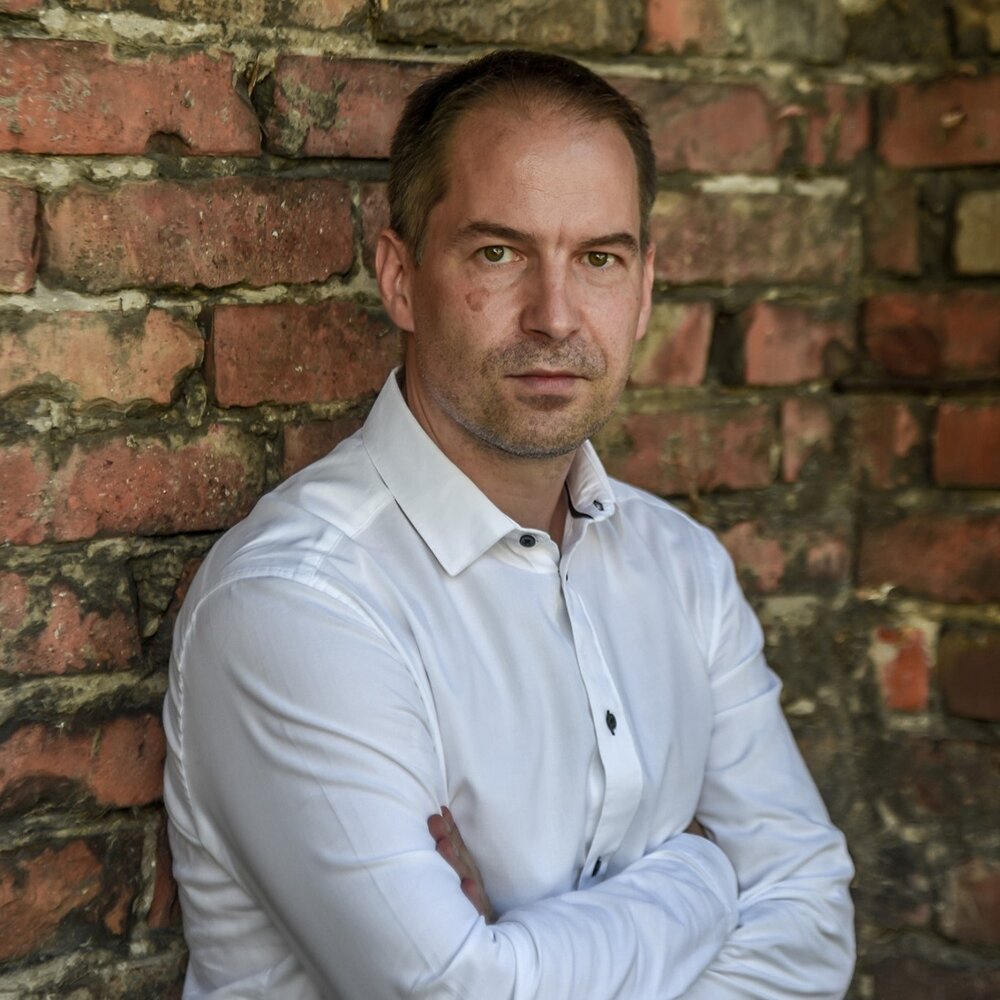
Political scientist, social psychologist, disinformation expert. He is a senior fellow at the Washington-based CEPA think tank and a PopBack Fellow at the University of Cambridge. Peter Krekó is an associate professor with habilitation at the Department of Social Psychology at ELTE PPK. His main areas of expertise are disinformation, Russian political influence in the West, and European populism and radicalism. He was the co-chair of the EU Radicalization Prevention Network PREVENT until 2015. He has written two books: Tömegparanoia, which has been published in two editions, introduces the social psychological foundations of fake news and conspiracy theories in a scientific and informative manner, and The Hungarian Far Right – which he co-authored with Attila Juhász – on the politics of the Hungarian far right after the democratic transition. He regularly publishes in Q1 scientific journals such as Political Psychology, Journal of Democracy, Social Psychology, but he also had a co-authored publication on conspiracy theories in Nature of Human Behaviour.
Ágnes Urbán, CEO of Mertek Media Monitor, Associate Professor at Corvinus University of Budapest
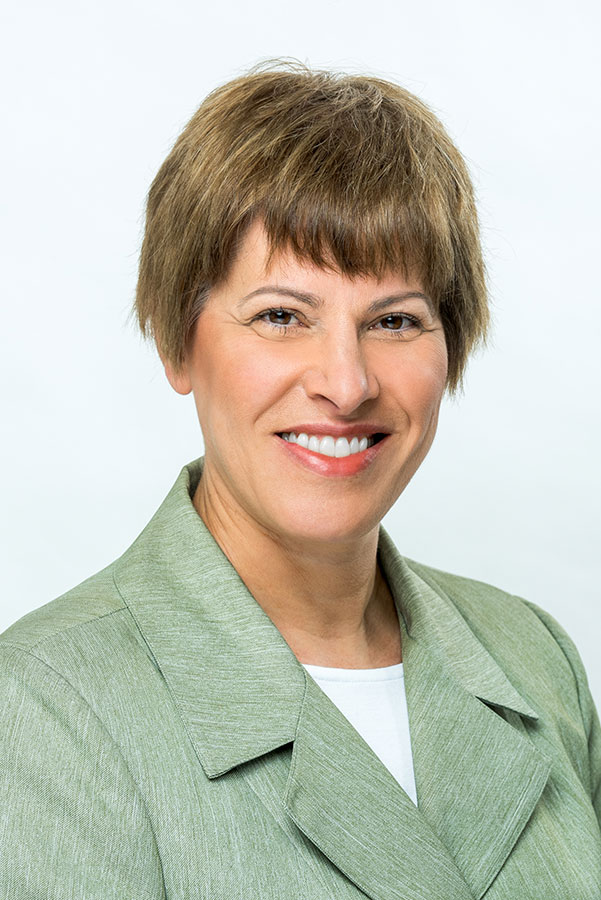
Associate professor and chair of the Infocommunications Department at the Corvinus University of Budapest. She received her master’s degree in 1998 and followed up with a PhD degree that was awarded a grade of summa cum laude in 2006 (Corvinus). She is an instructor of the subjects Media Economics; Media Systems and Media Policies; and Media and Audience Research. She is also co-founder of Mertek Media Monitor media watchdog organization. Urbán’s main research areas are changes in media business models, trends in media consumption patterns, the evolution of the Hungarian media market and the analysis of policy issues concerning media markets. She was involved in European research programmes in recent years. Urbán is the author of some 100 Hungarian and English-language international publications in the fields of media and infocommunications. Her publications include books, book chapters, journal articles and conference presentations.
Gábor Kardos, Co-founder, CEO of the Magyar Jeti Zrt
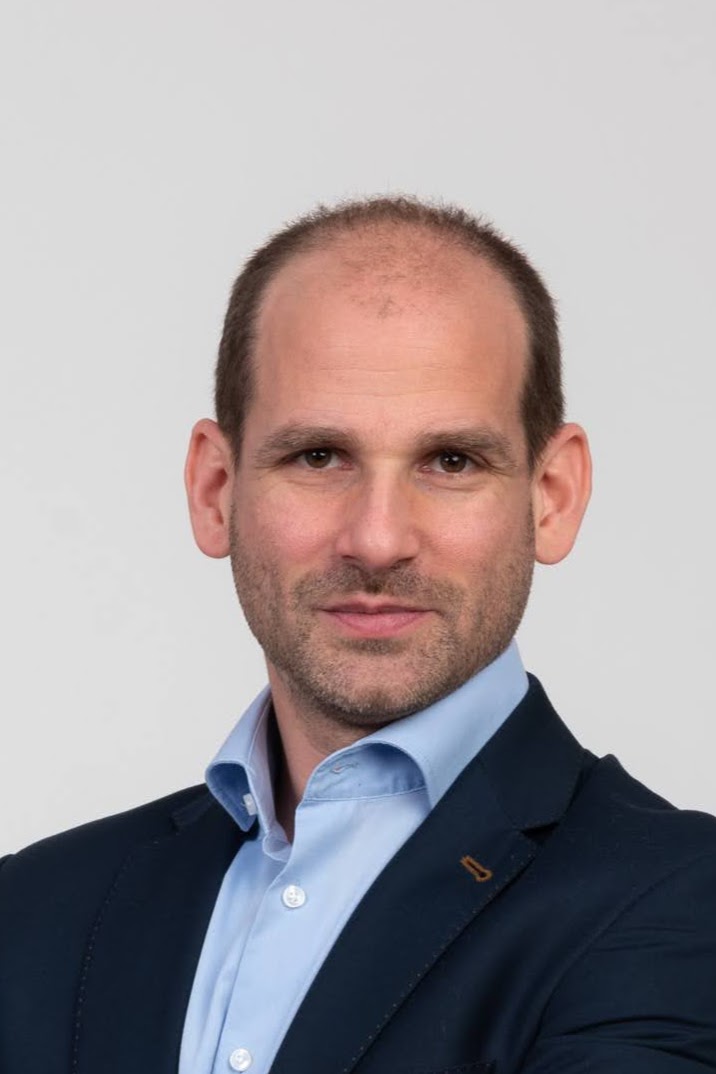
Gábor Kardos is cofounder and CEO of Magyar Jeti Zrt., publisher of the independent news portal 444.hu, the pop-science magazine Qubit.hu, and Lakmusz.hu, the HDMO consortium’s fact-checking outlet. Gabor has spent his career managing the business side of digital publishing and media development, drawing on his background in economics. He has helped build numerous publishers, publications, and services in Hungary and across Central and Eastern Europe, successfully leading both small and large organisations. His work has focused on transformative strategies capitalising on progressive content development, digital advertising, reader revenues, and cross-border institutional collaborations throughout Europe.
Isabelle Wirth, Project Manager, AFP
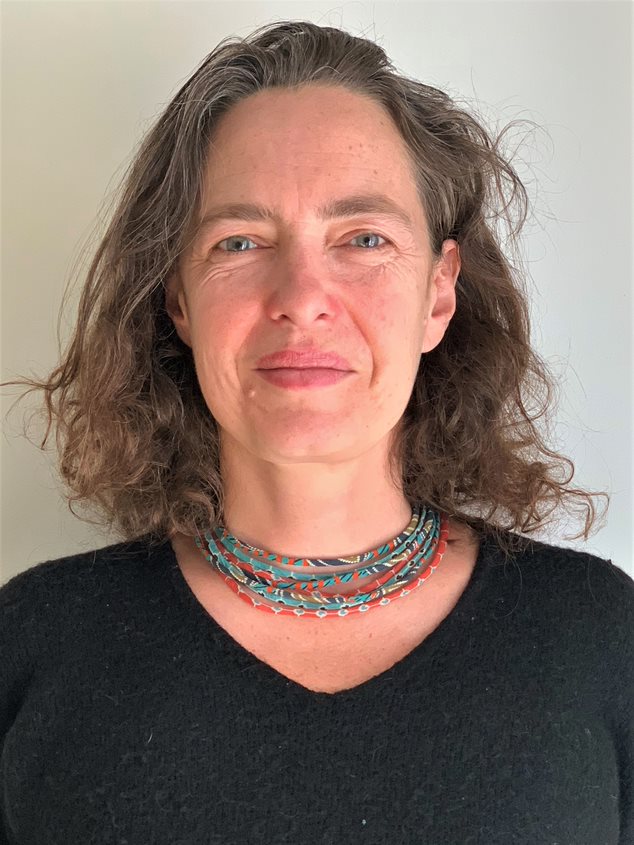
Isabelle Wirth started her career at AFP in 2000 as a photo editor. Before that, she had studied comparative literature, information and communication, and had worked as an editor and translator for cultural magazines and multimedia companies. At AFP, she has been a member of the photo editor-in-chief team for France, Germany, North-East Europe, and then Europe. From 2018, she was in charge of the AFP Agenda website and in December 2022 she became part of the Europe Media Projects team.
Csaba Lukács, Journalist, Managing Director of Magyar Hang
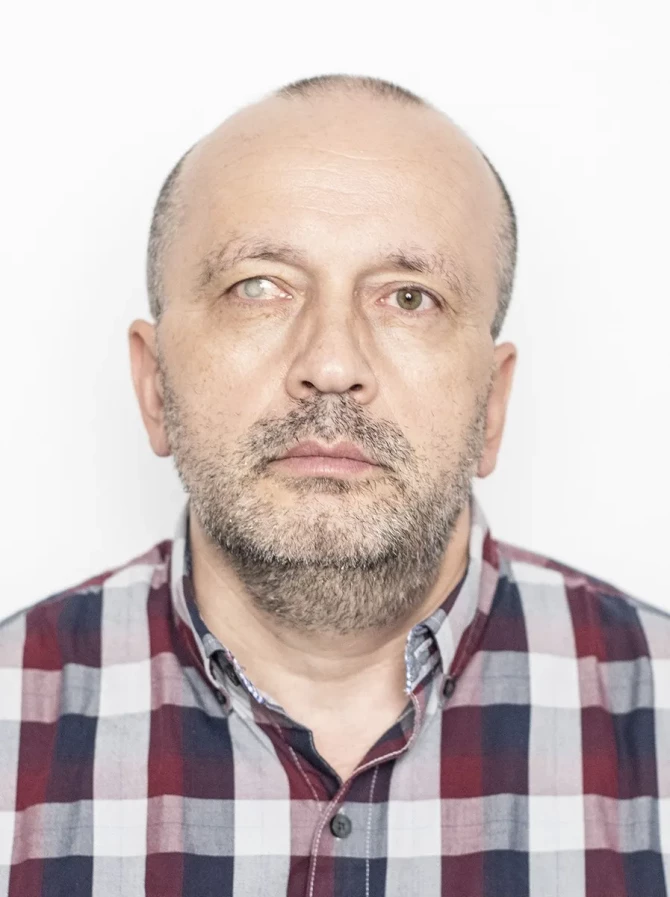
Senior journalist with over 30 years of experience in political reporting, investigative journalism, and international reportage, including conflict zones and minority issues. Managing Director and journalist at Magyar Hang since 2018; previously chief journalist, editor, and war correspondent at Magyar Nemzet. Award-winning media professional with extensive experience across print, radio, documentary filmmaking, and EU-related public affairs coverage.
Krisztina Nagy, Principal Investigator of Idea Alapítvány
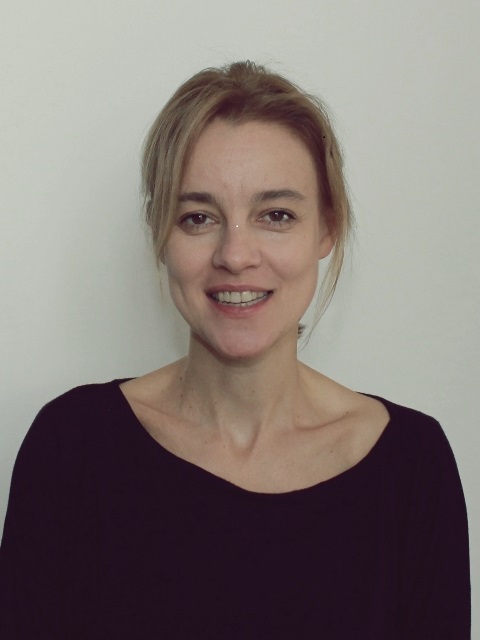
Lawyer, media teacher. Assistant professor at the Budapest University of Technology and Economics, Faculty of Economic and Social Sciences, founding member of the Idea Foundation and the Televele Media Education Association. At the University, she gives lectures in terms of media and communication law. In recent years, her research has focused on the regulation of online platforms. A particular area of her research is the regulatory issues of media literacy. Her book on this topic, Literacy - Media - Regulation, published in 2018, provides a comprehensive overview of the policy and regulatory issues of media literacy. As a media teacher, she develops and delivers media education programmes for children and parents in kindergartens and primary schools. She is the leader of the Idea Foundation's teacher training programme.
Advisory Board
Marius Dragomir, Director, Media and Journalism Research Center
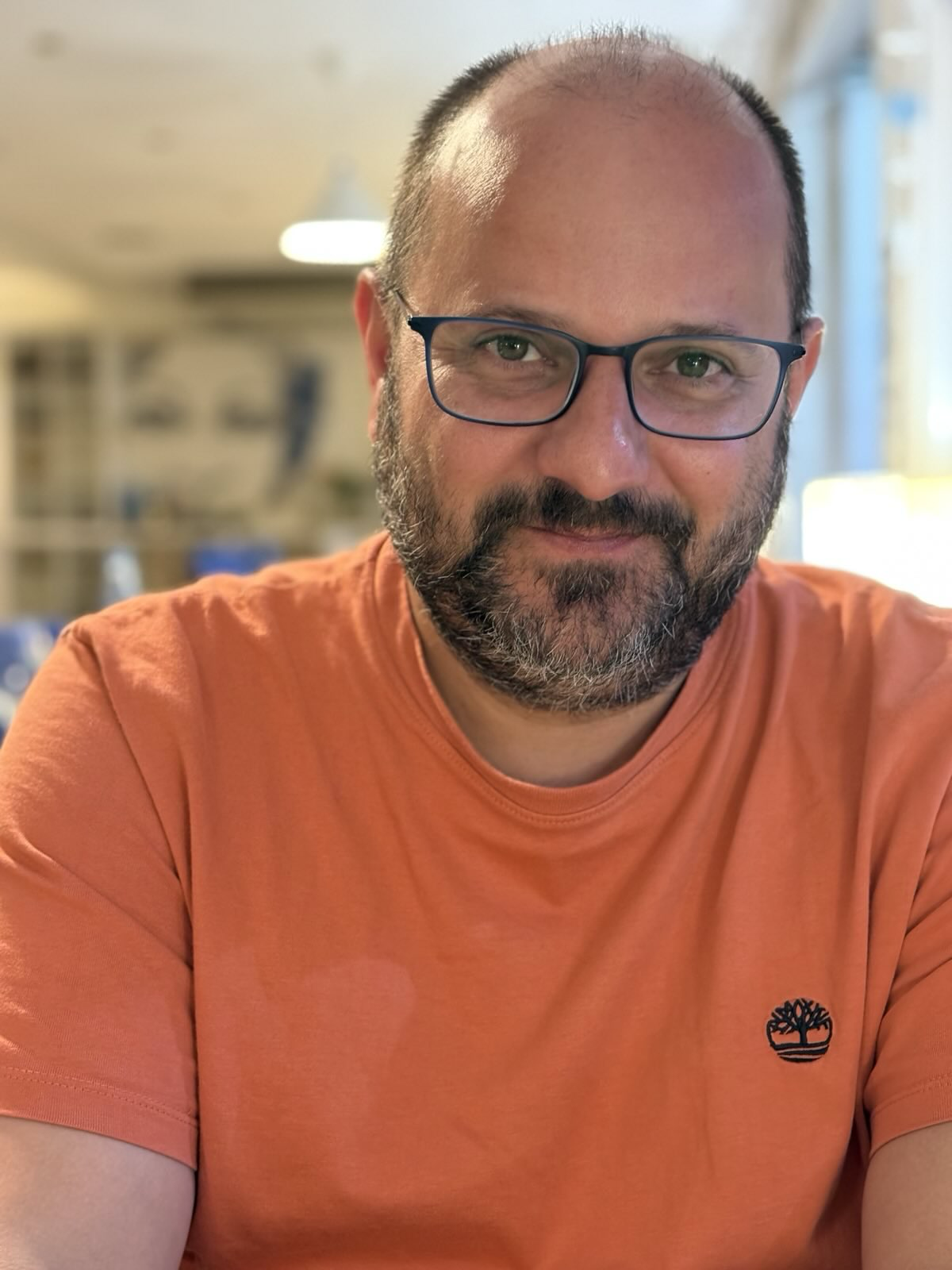
Lukasz Janulewicz, Senior Analyst, Institute for Strategic Dialogue (ISD)
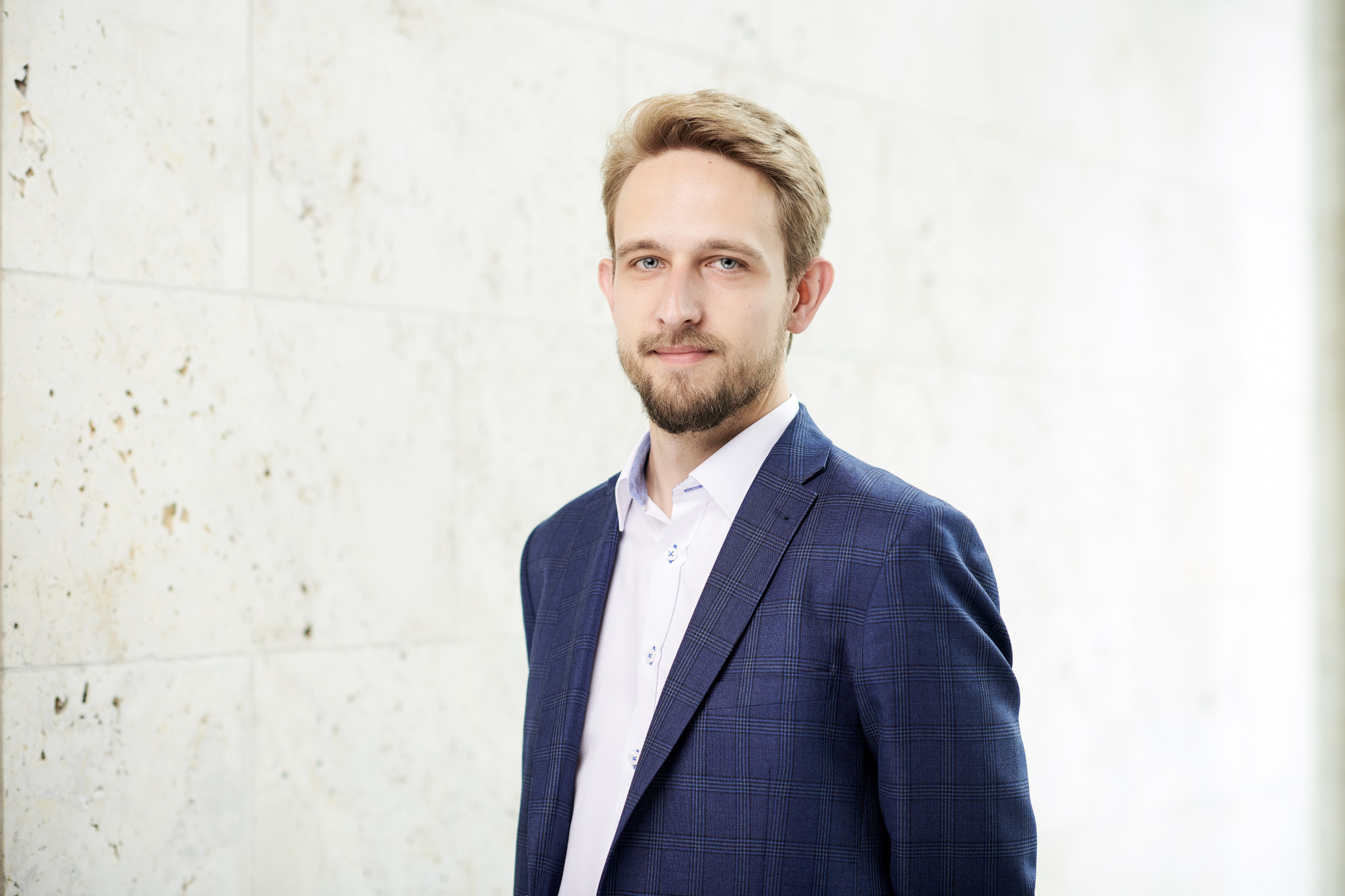
Stephan Lewandowsky, Professor, Cognitive Scientist, University of Bristol
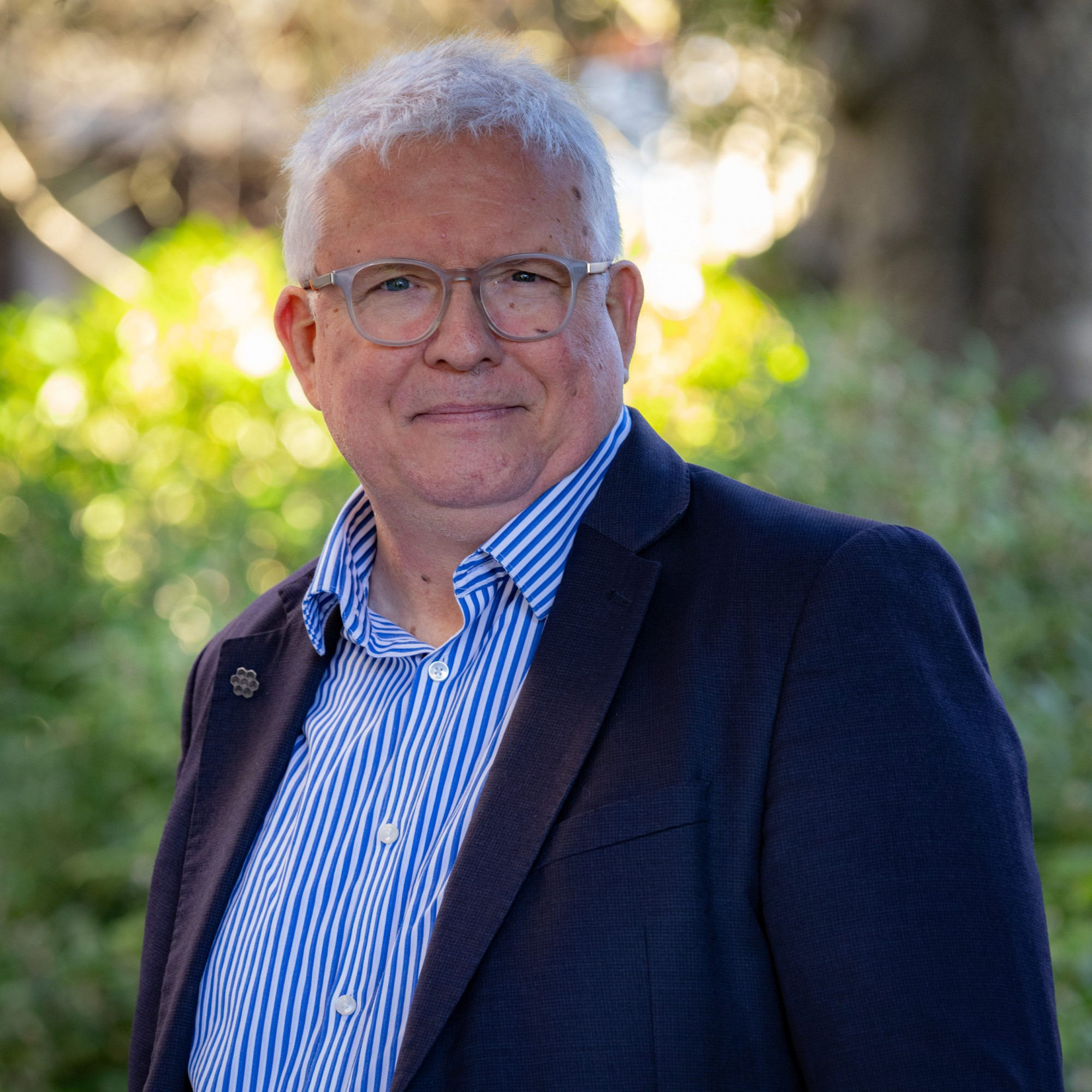
Veronika Munk, Editor in Chief, 444.hu
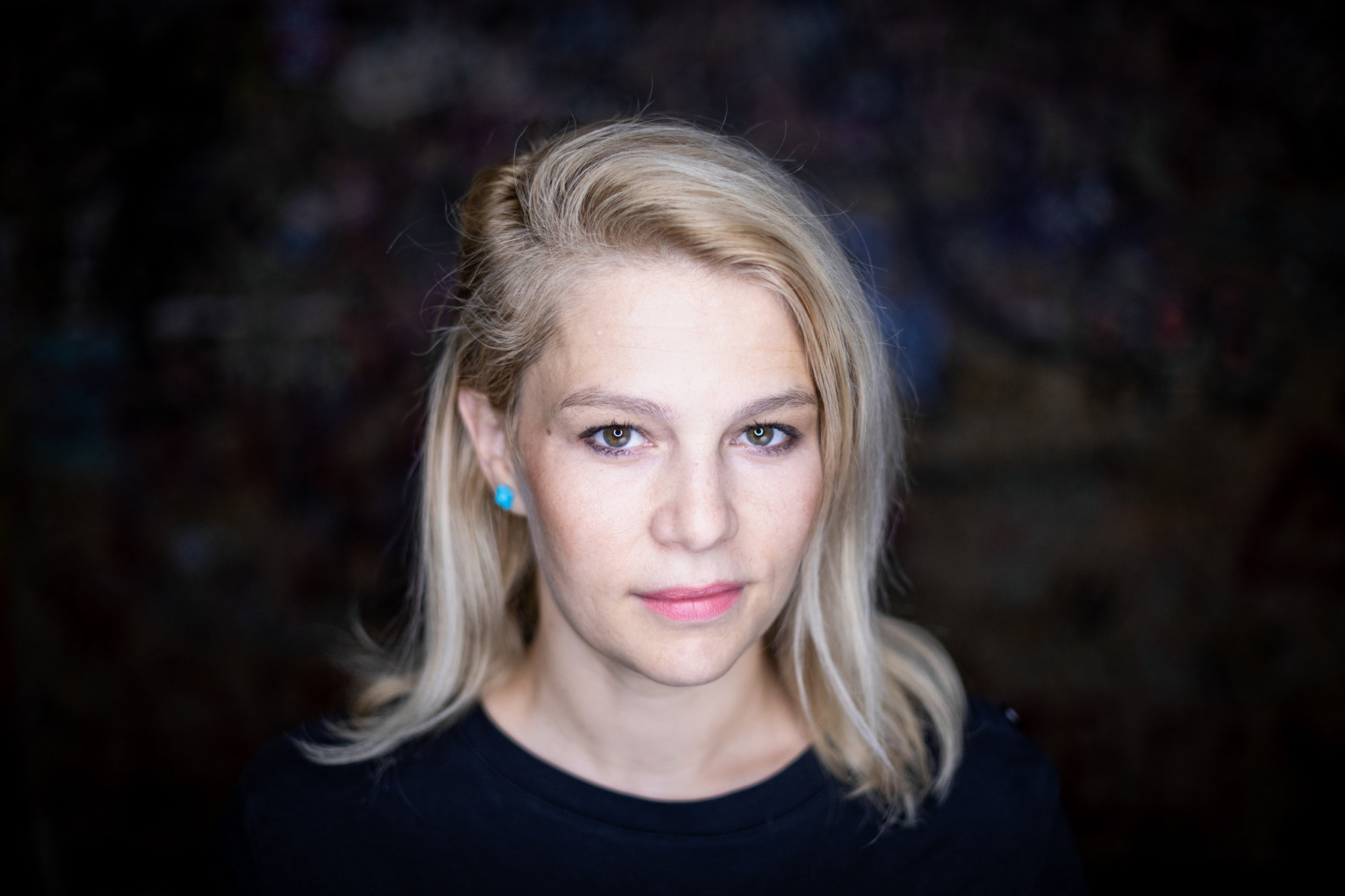
Raluca-Nicoleta Radu, Professor, University of Bucharest
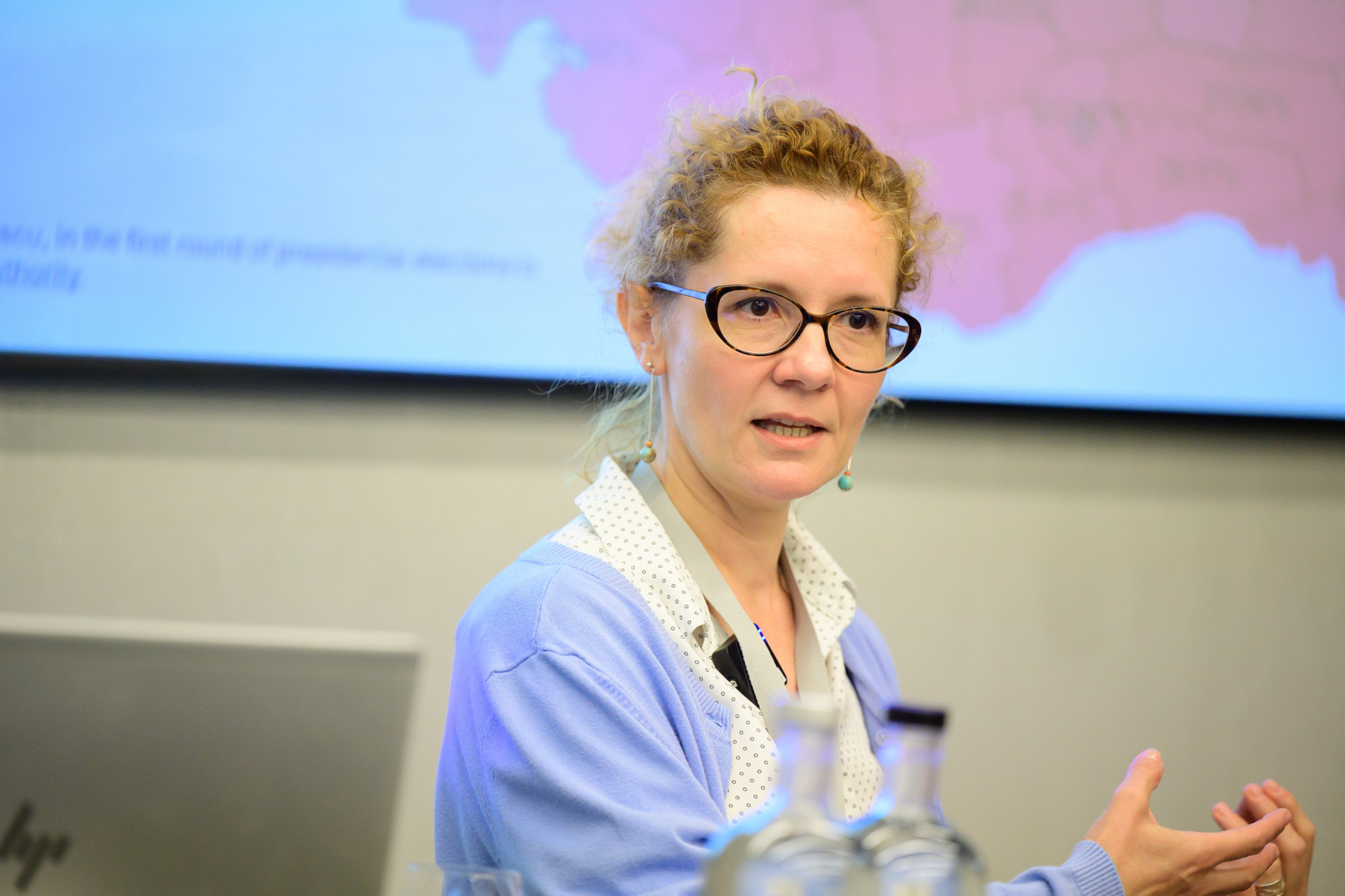
Michal Senk, PhD Candidate in International Relations, Charles University

Zoltán Sipos, Journalist, Átlátszó Erdély
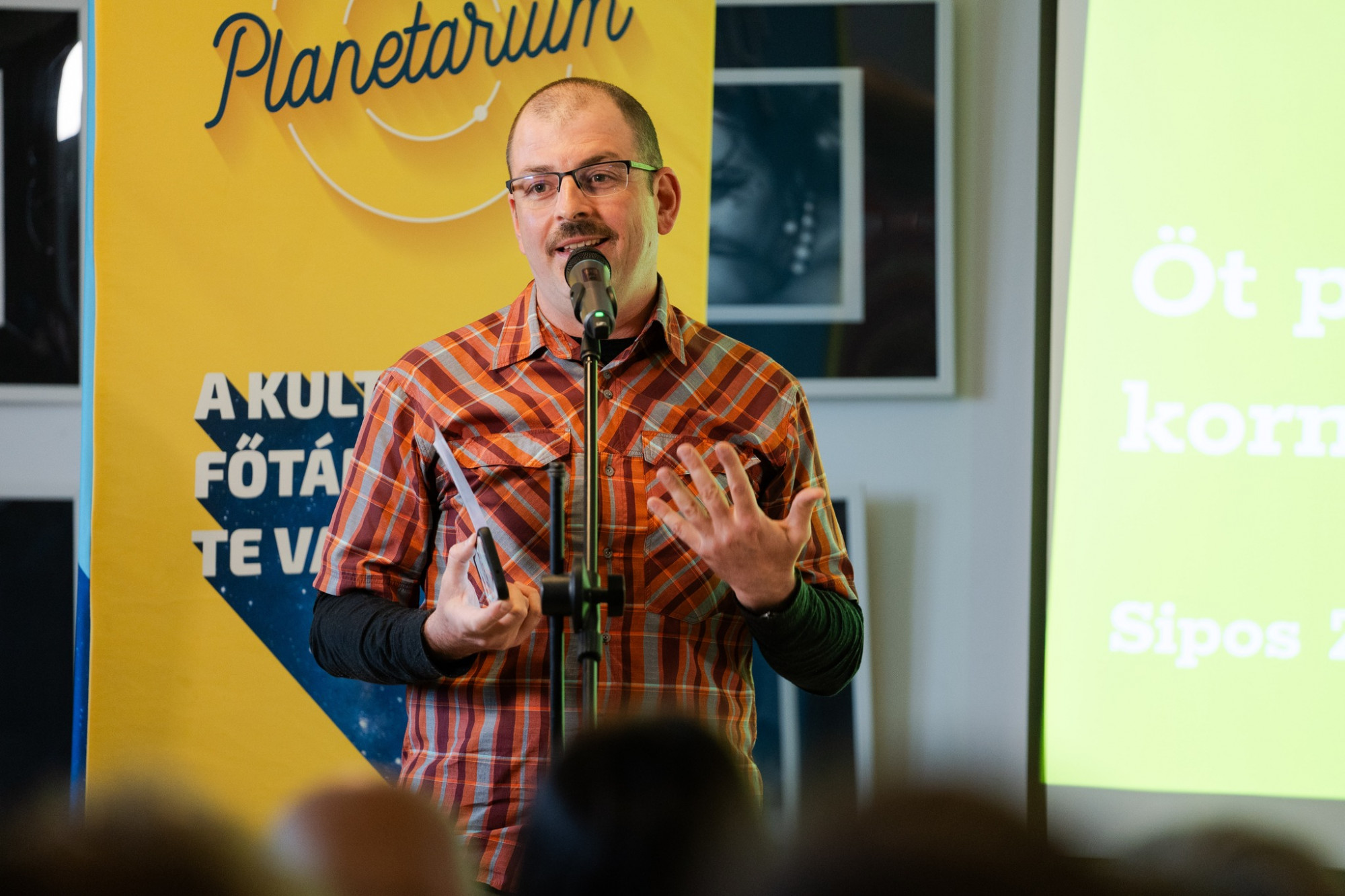
Ethics Mentor
Zsuzsa Kékesi, Magyar Jeti